Demat Account Platform For Simple Share Market Access Online
A demat account platform provides investors with a digital way to hold eligible securities and manage investment-related information. Instead of maintaining physical certificates, investors can keep shares and other eligible securities electronically through a registered service provider. Choosing a suitable platform requires attention to account features, charges, security, supported products, and ease of use.
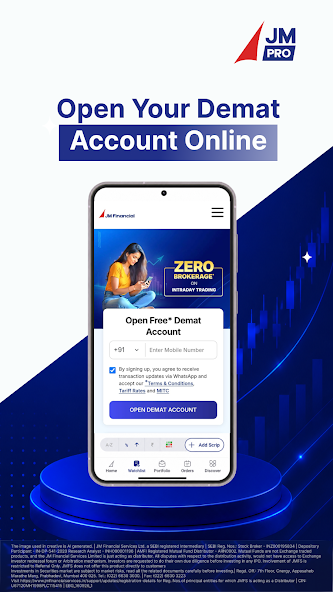
A Demat Trading App may combine demat account access with trading facilities, allowing users to place orders and monitor their investments through a mobile application. An Online Demat Platform can provide access to holdings, statements, transaction records, and other account services through a website or digital interface. Understanding how these services work can help investors select a platform that matches their requirements.
What Is a Demat Account Platform?
A demat account platform is a digital interface through which investors can access and manage their demat account. The underlying demat account is used to hold eligible securities in electronic form.
Depending on the provider, the platform may allow users to:
- View securities held
- Check transaction history
- Download account statements
- Monitor portfolio information
- Access corporate action details
- Manage account-related services
Some platforms also connect the demat account with a trading account, allowing users to buy or sell securities through the same digital interface.
How a Demat Account Works
When an investor purchases eligible securities through a linked trading account, the securities are credited to the demat account after the applicable settlement process.
When securities are sold, the relevant holdings are debited according to the transaction and settlement process.
This electronic system reduces the need for physical certificates and provides a centralised record of securities holdings.
A demat account does not itself determine whether an investment will generate a return. The value of securities can increase or decrease depending on market conditions and the underlying investment.
Features to Look for in an Online Demat Platform
Portfolio View
An Online Demat Platform should provide a clear view of securities held in the account. Depending on the provider, investors may be able to view quantities, purchase information, current values, and gains or losses.
A well-organised portfolio section can make it easier to review investments periodically.
Transaction History
Transaction history provides details about securities credited or debited from the account. Investors can use these records to review past activity and maintain appropriate documentation.
Regularly reviewing transaction records can also help identify unfamiliar activity.
Account Statements
Digital account statements can provide information about holdings and transactions. Investors should retain relevant statements for their records and taxation requirements where applicable.
Corporate Action Information
Investors may receive benefits from eligible corporate actions such as dividends, bonus issues, rights issues, or stock splits, subject to applicable conditions.
A digital platform may provide information about such activities and related account entries.
Demat Trading App Features
A Demat Trading App can combine demat account management and trading services within a mobile interface.
Depending on the provider, common features may include:
- Stock market information
- Watchlists
- Price charts
- Order placement
- Portfolio tracking
- Transaction history
- Account statements
- Market-related notifications
The available features vary between providers. Investors should compare the actual services rather than assuming that every app provides the same functionality.
Demat Account and Trading Account
A demat account and trading account serve different purposes, even though they are often linked.
The demat account is used to hold eligible securities electronically. The trading account is generally used to place buy and sell orders.
For example, an investor can use a trading platform to purchase shares. After settlement, the shares can be credited to the linked demat account.
Understanding this distinction can help new investors manage their accounts and transactions more effectively.
Charges to Compare
Cost is an important factor when selecting a demat account platform.
Potential charges may include:
- Account maintenance fees
- Brokerage
- Depository participant charges
- Transaction fees
- Charges for specific services
- Applicable taxes
The exact cost depends on the provider, account type, transaction, and service used.
Investors should review the current fee schedule and understand whether charges apply to holding securities, placing transactions, transferring securities, or using particular account services.
Security Features
A demat account contains sensitive financial and personal information. Security should therefore be considered when selecting a platform.
Investors should look for appropriate authentication and account-protection measures. Strong passwords should be used, and available multi-step authentication should be enabled.
Login credentials, PINs, and one-time passwords should never be shared.
Investors should also use official applications and websites when accessing their accounts. Keeping the device and application updated can help maintain account security.
Choosing a Platform for Long-Term Investors
Long-term investors may have different requirements from frequent traders.
An investor who purchases securities occasionally may prioritise portfolio tracking, account statements, transaction records, security, and reasonable maintenance costs.
An active trader may require additional features such as charts, market data, order types, and trading-related tools.
Before choosing an Online Demat Platform, investors should identify their intended use and compare the features that are relevant to that purpose.
Choosing a Platform for New Investors
New investors may prefer an interface that makes basic account information easy to understand.
Important areas to review include:
- Account-opening process
- Available investment products
- Portfolio display
- Transaction records
- Charges
- Customer support
- Security features
- Educational or informational resources
A simple interface can make account management easier, but investors should still learn how transactions and securities markets work before placing orders.
Common Mistakes When Choosing a Demat Platform
One common mistake is selecting a platform solely because of low or zero account-opening charges. Other fees may apply after the account is opened.
Another mistake is choosing a platform based only on the number of features. Having more tools does not necessarily mean that every tool will be useful for a particular investor.
Investors should also avoid making investment decisions based solely on notifications, short-term price movements, or unverified recommendations.
How to Use a Demat Platform Responsibly
After opening an account, investors should become familiar with the platform before making transactions.
Check how to view holdings, download statements, review transaction history, access support, and manage security settings.
Investors should also maintain a record of their financial objectives and periodically review whether their investments remain appropriate for those objectives.
A digital platform is a tool for managing investments; it does not remove the risks associated with securities markets.
Conclusion
A Demat Trading App can provide a convenient way to access demat holdings, monitor portfolios, review transactions, and, where supported, place market orders through a mobile device. An Online Demat Platform can offer similar account-management services through a digital interface.
Before selecting a platform, investors should compare account charges, supported securities, portfolio tools, transaction facilities, security measures, customer support, and other relevant services. Understanding the difference between a demat account and a trading account can also help investors use the platform more effectively. The right choice depends on individual investment requirements, transaction frequency, financial objectives, and preferred account features.